

Air Freight Companies Australia: Your Gateway to Efficient Air Freight Services
Welcome to Sydney Air Freight Companies, the leading provider of comprehensive air freight services in Sydney, Australia. With our extensive network of trusted carriers and industry expertise, we specialize in the seamless transportation of goods worldwide. Our commitment to exceptional customer service, competitive pricing, and advanced tracking technologies sets us apart. Experience the reliability and efficiency of Sydney air freight companies for all your air cargo needs.
Unlock Global Opportunities with Leading Air Freight Companies in Sydney
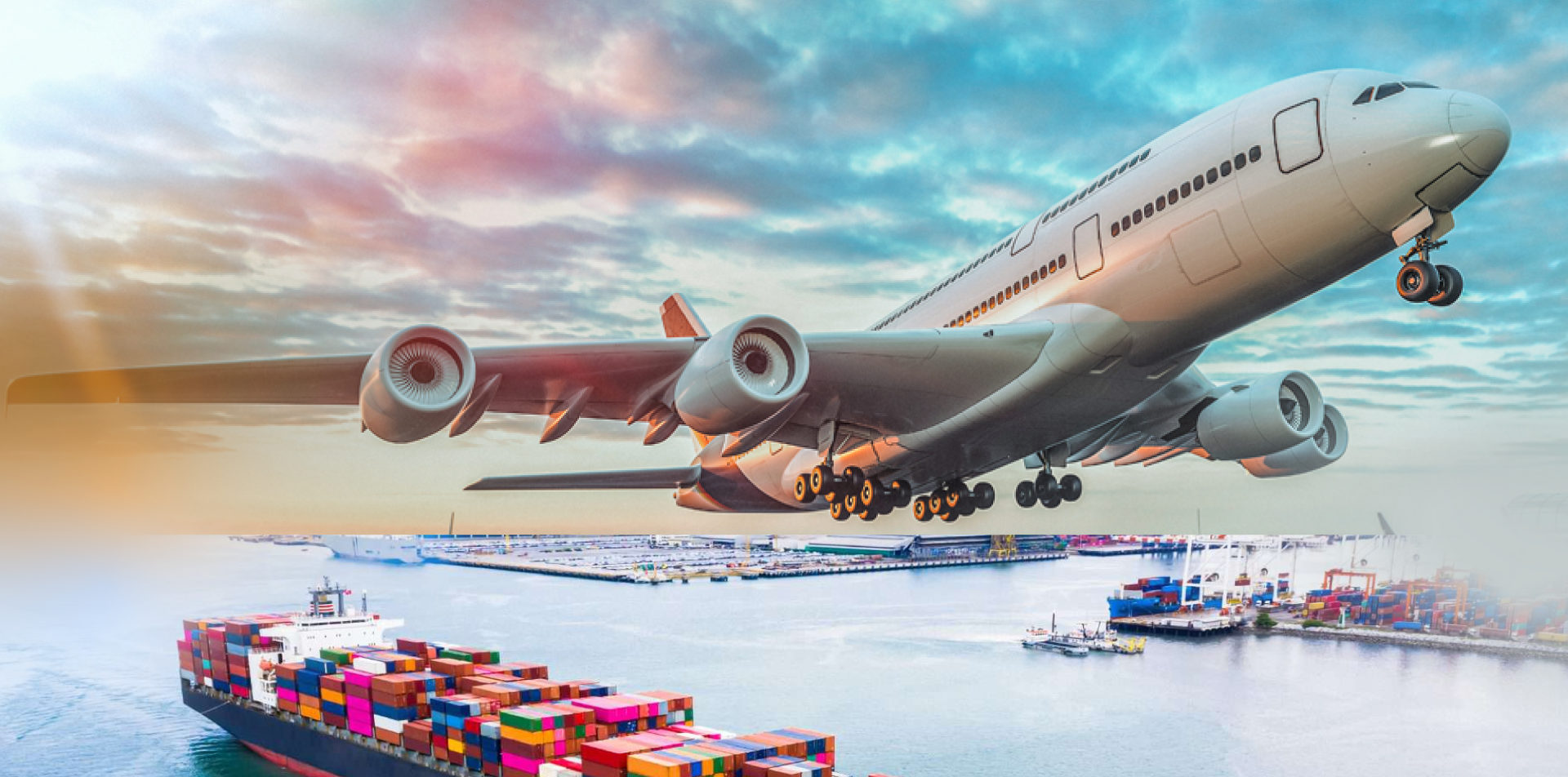
An air freight forwarder is a business or person who uses aircraft to transport goods from one point to another. A company must choose a service provider with a good reputation if it plans to grow its operations internationally. Several companies provide this service, but the fees they charge are astronomically expensive because of the high cost of flying. You should keep thorough records of how much you spend on air freight if you want to avoid going into debt. Customers sometimes pay extra fees to cover the delivery cost when they ship their items via air freight. If you have a big budget and a sudden need for something, air freight is a fantastic solution to think about. The ideal person to contact when it comes to the transportation of products is a freight forwarder specializing in air shipping.
The provider oversees the administration of the papers necessary to move freight from its point of origin to its destination. It is relatively cheap to move goods across continents by transporting them by water. However, the most robust case against employing this mode of transportation is the amount of time needed. The most environmentally friendly way of delivery is shipping things by sea. [Needs citation] [Needs source] However, other companies do not have the funding to wait that long for orders. The best services can only be delivered by a supplier that has the skills and understanding required to handle any activity involving the client’s property in a way that is both efficient and secure. The only circumstance in which the most outstanding services may be offered is this.
Air freight cannot successfully replace maritime freight as a means of moving large amounts of goods due to the limited capacity of aircraft. This is due to the limited amount of cargo that aeroplanes can carry. Air freight cannot be utilized to convey large amounts of goods, even though it has several benefits over other forms of freight transportation, including moving more quickly and offering greater levels of safety. Regarding the services it provides, the scale of an air freight forwarder is unimportant. Even at this size, a business may still be able to provide its customers with valuable services and provide adequate accessibility across all of its locations.
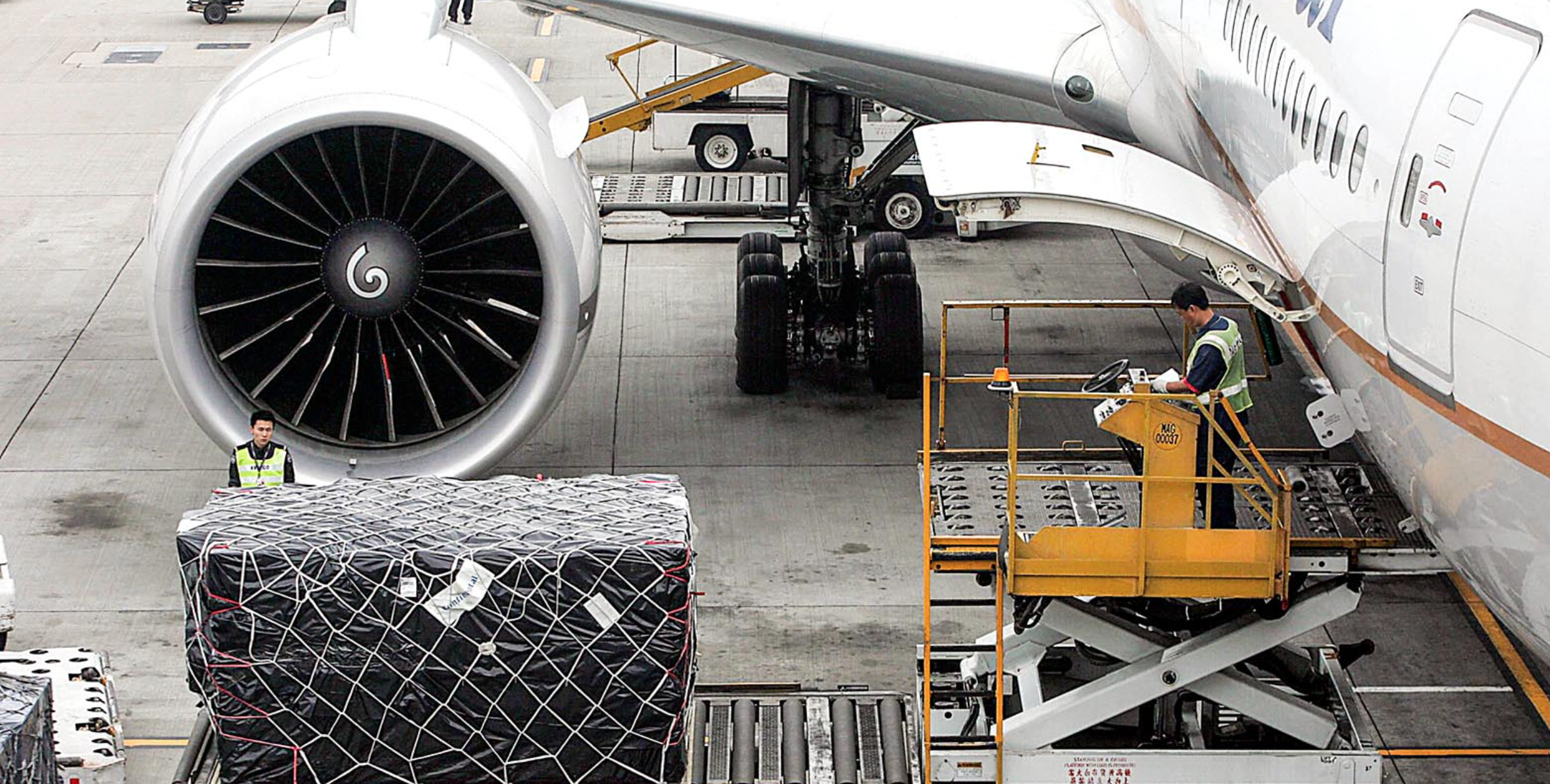
Commercial shipping services are a must of freight forwarders, but their staff members must also be knowledgeable in international trade, dangerous goods, and air freight security. The least demanding and most frequent kind of air freight is the transport of personal items. Because air freight seldom requires special handling, it may often be transported with the least hassle. A company specializing in international shipping can complete all required paperwork on your behalf and streamline the procedure if you choose them. All goods may now be cleared and delivered to their destinations more quickly thanks to the construction of an electronic link with customs officers worldwide. Our skilled team will handle documentation-related difficulties, including licenses, duties, and taxes. Shipping companies can also provide you with further details on import and export taxes.
Shipping through air freight is the preferred option when timeliness is crucial. A detailed preparation process is necessary, nonetheless, due to the more significant expenditures incurred by air freight. Compared to deliveries done using any other means, those delivered by aircraft have a far reduced risk of harm. You can be sure that the staff members who handle and store your possessions will do so with the most outstanding care, minimizing the possibility that anybody will be hurt. However, the risks involved with shipping products by sea cannot be understated. It is not possible to do this. When cargo ships are at sea, they are always in danger from piracy and lousy weather. Once again, the expenses of airport handling are spread across many shipments, which results in a drop in the price of each product.
Due to the time necessary for the deconsolidation process, this option is not advised for cargo that must be delivered by a specified date and time. There are air freight forwarders that operate both locally and internationally. According to their location, they could be either local or international. When transferring things that will stay within the limits of a single country, your only choice is to engage with air freight forwarders specialized in domestic shipping. On the other hand, the international freight forwarder has the resources required to cope with anything that comes their way. The firm that offers domestic freight services and oversees shipments within the country may also be able to convey your items to areas in other parts of the globe.
Reliable Air Freight Services in Australia: Unleash Your Global Potential
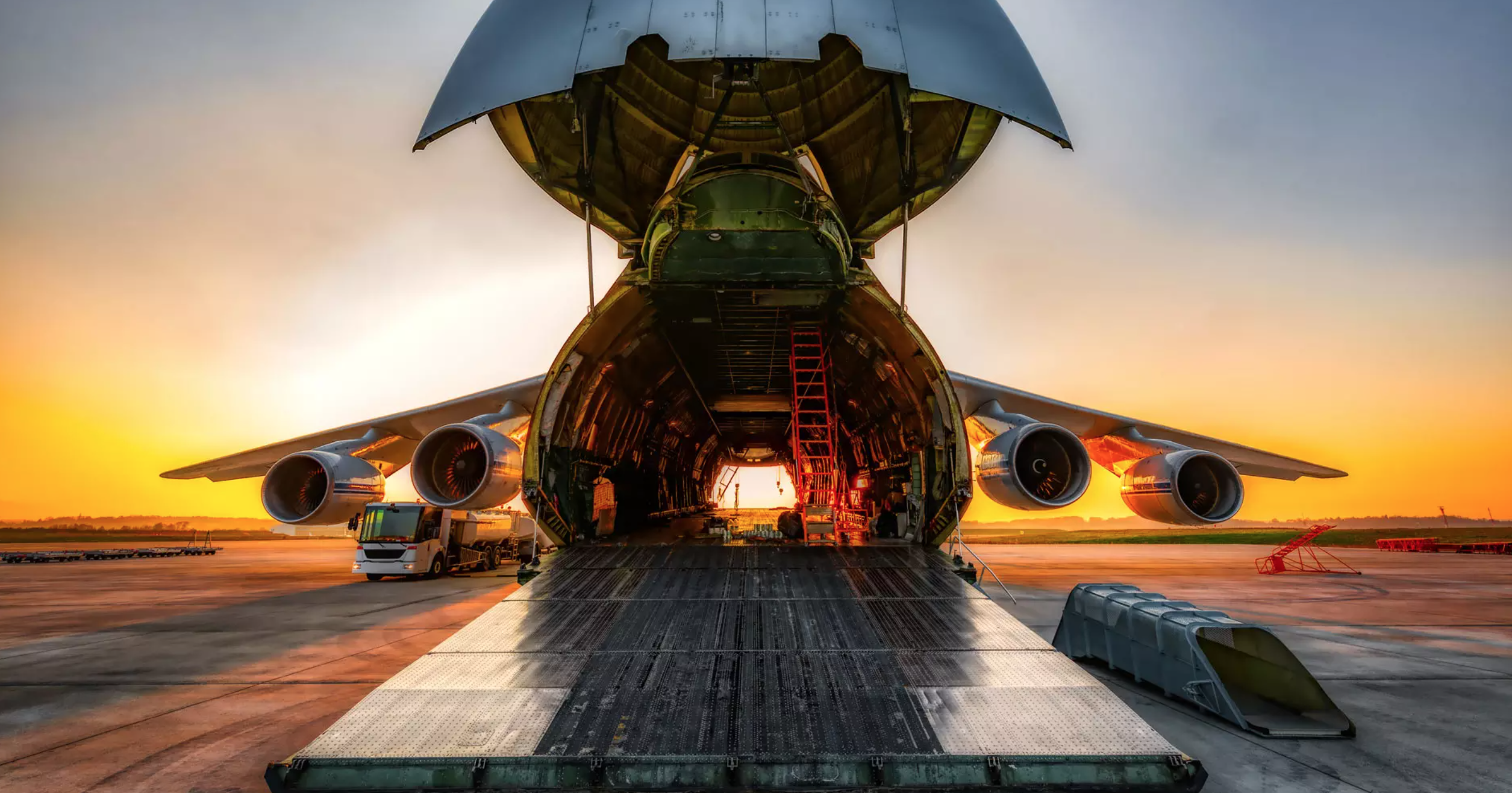
Suppose a company organizes its internal freight distribution in a labour- and time-intensive manner. In that case, there is a danger that it will need more workers or resources to operate satisfactorily. If you want to solve this issue successfully, you’ll need the help of a trustworthy freight forwarding firm. Because of their broad expertise in the cargo shipping sector, transportation companies can provide businesses with more cost-effective options than competitors. Regardless of the kind of freight or cargo being carried, freight companies offer a streamlined service that ensures the timely and risk-free delivery of your belongings. We provide domestic air freight Australia wide, so you can rest assured your shipments will reach their destination on time.
A direct consignment is delivered directly to the destination without needing an air freight agency (freight forwarder). On the air route bill, the firm from whom you acquired the things will be listed as the consignor (or shipper), and you will be listed as the consignee. Following completing and filing all appropriate export paperwork, the cargo will be transferred to the airline for shipping. Freight transportation companies may handle various commodities, including but not limited to consumer items, industrial machinery, automobiles, electrical equipment, and household goods.
A freight forwarder is a vital business ally for persons engaged in importing and exporting products. A freight forwarder is a middleman that organizes the delivery of products on behalf of a client by different modes of transportation, such as air freight, ocean or sea liners, or road haulage distribution. These modes of transportation are, in that order, air freight, ocean or sea liners, and road haulage distribution. Every significant global city, which can be located everywhere, has at least one freight forwarding company. Only companies who actively engage in international trade, such as importers and exporters, are aware of the necessity for freight forwarding services. On the other hand, if you are having difficulty exporting your goods to other countries, you may be obliged to use them.

Consider using a freight forwarder if you need something shipped swiftly and professionally. They can be able to assist you in transmitting anything you want. Although freight lines have little control over external variables such as traffic, weather, and technical difficulties, the vast majority of businesses that offer low-cost freight shipping will be able to provide you with an exact timeline for when your shipment will arrive at its destination. This is because freight lines have limited control over external factors like traffic, the environment, or technical issues. Consider using a guaranteed low-cost freight shipping service that will not only hasten the delivery of your items but will also financially compensate you if they do not.
When selecting a freight firm, it is critical to consider service quality above quantity. If a low-cost freight carrier guaranteed the goods would arrive in pristine condition, it could seem enticing in principle, but it would be a disastrous option in practice. You must ensure that the freight shipping company you choose has the requisite experience and the appropriate insurance coverage in the event your belongings are damaged during shipment. You must be able to receive recommendations from respected local firms that offer effective freight transportation services to choose a dependable provider. Renting a container big enough to accommodate all your belongings is a necessary additional step in the transfer process.
You need to know precisely what sort of container you’re looking for and where you can get one, or else you’ll need the help of a shipping company or a freight forwarder. Customers of reputable freight forwarders can use dependable transportation services at cheap pricing, saving them money and time. When an organization’s staff members need to clearly understand the procedures involved in international and worldwide shipping, hiring a freight forwarder may be highly beneficial. A freight forwarder is a person or company that transfers goods from one location to another. Any company whose core activities entail delivering items to areas outside the country must pay freight forwarders.
Maximize Your Supply Chain Efficiency with Sydney's Air Freight Experts

When exporting to a country other than one’s own, one of the most important considerations is how long it will take to get there. Because no different type of company has the resources necessary to ensure its customers’ things are delivered quickly and efficiently, only shipping-focused enterprises can make that promise. However, because of the high costs connected with the operation, many smaller enterprises may need more time to be able to use air freight shipping. This is because shipments are often rewarded depending on their size and weight. Suppose you’re shipping cargo overseas by air and need to realize it’s a restricted item that certain airlines won’t carry. In that case, you may need to realize that this is only one piece of the puzzle, even if you’ve researched and determined that the airline shipping it from your country is acceptable to carry your cargo.
This is true even if you know that the aircraft transferring it from your country can handle your products. This is true whether or not you are aware that the air transporting it out of your country has the authority to transport those specific products. Due to restrictions imposed by the nation to which they are going, the next plane in the supply chain may need help to deliver your commodities. Even if you are exporting the most common items by air, it is strongly recommended that you engage the services of a specialized cargo exporter that can manage all of the airlines and export papers that will be necessary during the process. This is true even if you are shipping the most popular items. This is true even if all you do is email the things trending the most.
Choose a freight forwarder that abides by all laws that may apply to your situation. If you pick such a facility and are disappointed with the care you get, you may be eligible for financial compensation. A company that has secured a bond owes it to its consumers to deliver excellent service. That is something that, under any circumstances, must be avoided. In truth, specialists in air freight shipping are always looking for new methods to widen their horizons and increase the quality of customer service they provide. This is because the industry evolves so frequently.

If you’re looking for a reputable freight business, look for one with a license issued by the applicable regulating agency. As a result, it guarantees that the government’s norms and requirements are followed. These new businesses will be different from those that arise out of nowhere and then vanish after being discovered. Because these firms are members of reputable industry organizations, you may be sure they are trustworthy. This will make it easier for you to focus on the present work. The forwarder should maintain continual communication with every carrier in the supply chain to provide the best service and the earliest delivery dates. Most firms will also help you complete the necessary customs paperwork to ensure that your cargo is authorized when it arrives. It may provide consumers with other services, such as a storage facility and assistance with processing funds received from outside.
Freight carriers carry finished products and raw materials from one location to another in the manufacturing and distribution industries. Goods may be transported via air, sea, or land in addition to road and rail transport. Businesses offering this service to their customers include those transporting products between places. Your raw materials will be delivered securely and on schedule, if you partner with an experienced freight forwarder. No matter how fragile or sensitive anything is, you can be sure that it will be delivered on time and in perfect condition.
You make all necessary efforts to ensure that the completed items are transported in the proper containers, those safe transportation procedures are utilized. That refrigerated containers are used since it is critical to ensure that the finished goods arrive at the clients in like-new condition. Every single one of these duties is something you must do. Businesses may use freight forwarding businesses to transport finished goods, raw materials, and equipment to and from any location on the planet. These companies provide this service to businesses all around the globe. You need to ask any business that often uses freight services how important it is to work with a reputable freight forwarding provider. They will underline the importance of doing business with a recognized company.